Acne Extraction Safe removal of blackheads, closed comedones and clogged pores
Acne extraction at MARA.H is performed by our clinical team in a clinic setting, using single-use sterile instruments to clear formed blackheads, closed comedones and clogged pores. We assess first, extract gently and never force it — keeping added irritation to the skin as low as possible.
Chatswood · Tue–Sat 10:00 AM – 6:00 PM
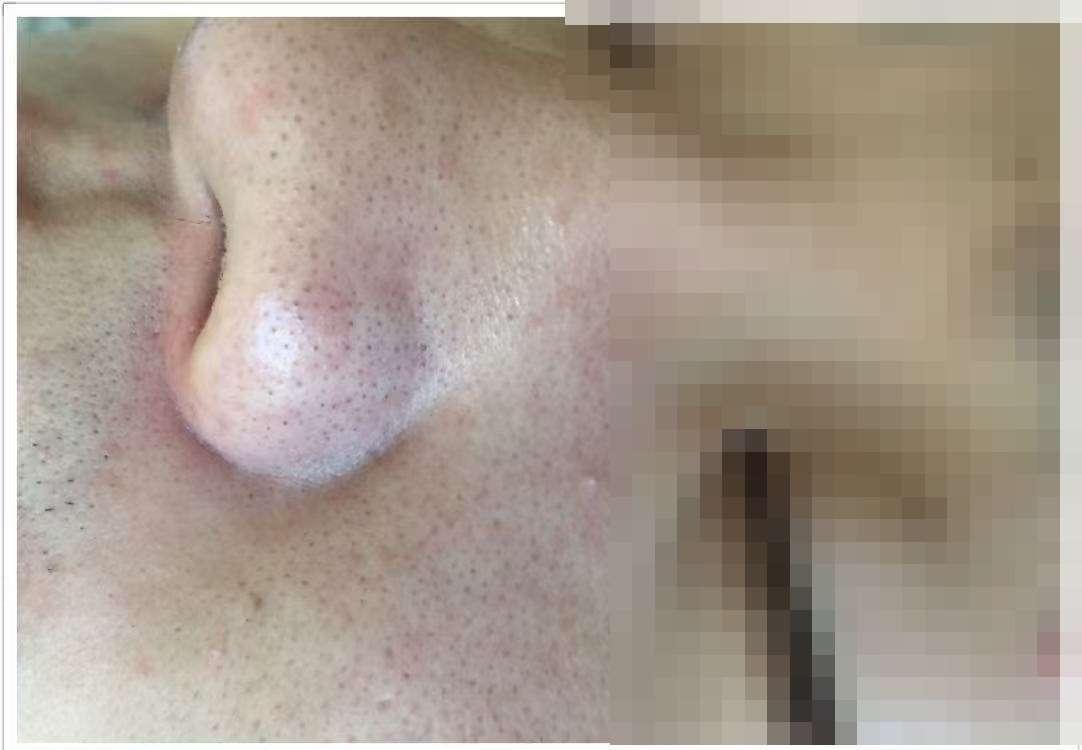 Before
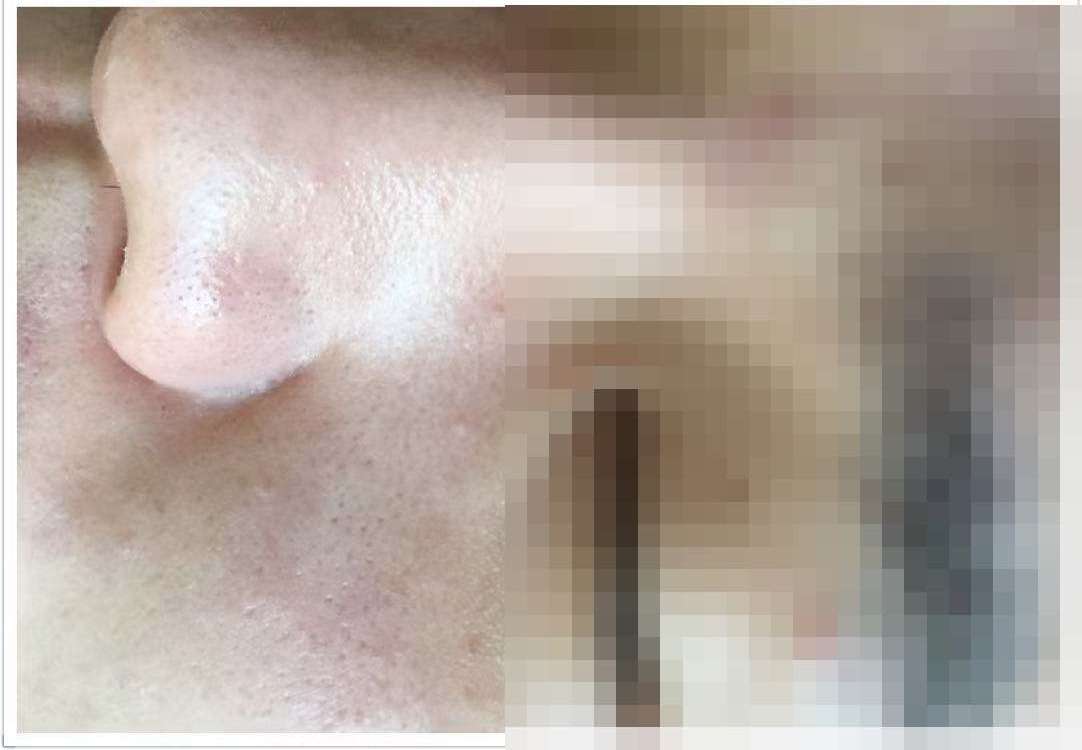 After
What it is:A clinic-performed treatment that uses single-use sterile instruments to safely clear blackheads, closed comedones and clogged pores.
Who it suits:Skin with visible blackheads, closed comedones or clogged pores, makeup that catches on texture, or localised congestion that keeps returning.
Typical session:Around 45–60 minutes, depending on the assessment and how congested the skin is on the day.
Recommended interval:Usually every 3–4 weeks, adjusted by your therapist to your skin.
Who performs it:The MARA.H clinical team, in our Chatswood clinic, with full English guidance.
Expectation:Extraction clears congestion that has already formed; acne needs ongoing management, not a single session.
What is acne extraction
Acne extraction is the controlled removal of blackheads, closed comedones and clogged pores using sterile instruments. Skincare can manage keratinisation and oil production, but for plugs that have already formed, extraction is the more direct way to clear them.
The difference between this and “squeezing pimples at a salon” is the boundary. At MARA.H, extraction happens in a clinic setting with single-use sterile instruments and a standardised process. We assess the skin barrier and inflammation first, and only clear congestion that is mature and safe to release — we never squeeze hard, and we never put “getting it all out” ahead of your skin’s safety.
For Asian skin this boundary matters even more: the inflammation left by forceful squeezing often lingers as post-inflammatory pigmentation, which is harder to deal with than the original congestion.
How we do it: a five-step process
In a properly done extraction, the clearing itself is only the middle step. The preparation before and the repair after decide how little the skin has to pay for it.
Cleanse & makeup removal
Remove makeup and surface oil so the congested areas are clearly visible, and so nothing on the surface is pushed into the pores.
Soften & open the pores
A softening step makes the plugs easier to release, so there is less pulling on surrounding tissue and less force needed.
Sterile instrument extraction
Single-use sterile instruments are used only on congestion that is mature and safe to clear; we never squeeze hard, reducing the risk of inflammation and pigmentation.
Soothe & barrier repair
The skin is more open after extraction; timely soothing and cooling helps the barrier settle and shortens post-treatment redness.
Home-care guidance
The 24–48 hours after treatment matter most to how you recover; your therapist gives you guidance matched to your skin.
Extraction, DIY squeezing, peels and enzyme therapy
Clearing congestion is not a one-way street — here is a direct comparison of four approaches.
| Approach | Main action | Suits | Note |
|---|---|---|---|
| Clinic extraction | Clears formed blackheads, closed comedones and clogged pores | Congestion that has formed and won’t respond to skincare | Barrier and inflammation assessed first; follow aftercare guidance |
| DIY squeezing | Temporarily clears visible congestion | Not recommended as a routine | Hard to control force and depth; can worsen inflammation and raise pigmentation and scarring risk |
| Chemical peels (AHA · BHA) | Manage keratinisation and oil to reduce new congestion | Skin with recurring congestion needing long-term management | Slow to clear plugs that have already formed; often paired with extraction |
| DMK enzyme therapy | Repairs the barrier and improves the skin’s own circulation and metabolism | Acne-prone skin with barrier damage and recurring inflammation | A repair-first approach; solves a different problem from extraction |
Not sure where your skin should start?
Book an appointmentHow it pairs with other treatments
Extraction solves the “already clogged” problem, but complete acne management usually needs more than one step. Common pathways include:
Barrier & inflammation repair — If the skin is also red, sensitive or barrier-compromised, DMK Enzyme Therapy works on the skin’s own function and suits phases of recurring inflammation.
Keratin & oil management — After congestion is cleared, chemical peels manage keratinisation and oil to reduce new congestion, a common follow-on from extraction.
Formed scarring — Pitted acne scars left by inflammation won’t respond to skincare; skin needling stimulates collagen remodelling to improve them.
Post-acne pigmentation — Dark marks left after breakouts can be treated with PICOSURE® PRO once the skin has settled.
Who it suits, and what needs assessment first
Good candidates
- ✓Visible blackheads, closed comedones and clogged pores
- ✓Makeup that catches on texture, or skin that feels grainy
- ✓Localised congestion that keeps returning despite skincare
Needs assessment first
- ·Large areas of active inflammatory acne
- ·Acutely compromised barrier with redness and stinging
- ·Currently on oral isotretinoin
- ·Recent chemical peel or laser treatment
These are not automatic exclusions; they need assessment first to decide timing and approach.
Risks, recovery and suitability
What most people experience
A noticeable squeezing sensation and brief stinging during extraction. Redness on the day, mild localised swelling, and small crusts at the extraction points. Redness typically settles within hours to two days, and crusts usually fall away on their own within three to seven days.
Less common risks to know
Post-inflammatory hyperpigmentation, more common in Asian skin and which can take weeks to months to fade. Localised secondary infection. Depressed scarring is possible where inflammation sits deep or a crust is picked off. Acne in an active inflammatory phase may look more pronounced in the short term after extraction.
Recovery and daily life
Most people can return to work the same day, but expect visible redness for hours to two days. While crusts are present, do not pick them, do not use exfoliating products, and do not apply irritating masks. Avoid saunas, heat and strenuous exercise for 24–48 hours. When you can apply makeup is decided by your therapist based on your actual recovery, not a fixed rule. Sunscreen is not optional throughout recovery.
Individual differences
Results and recovery depend on acne type, barrier condition, oil production and any history of pigmentation. Extraction treats congestion that has already formed; acne is a long-term issue, and a single session does not mean it is “solved” or that it will not return.
Not suitable, or needs assessment first
Large areas of active inflammation, an acutely compromised skin barrier, current oral isotretinoin, recent resurfacing or laser treatment, or a history of keloid scarring — these need assessment first, and we may suggest a different approach or defer treatment.
If something feels wrong
Call the clinic on 0468 358 861. Spreading redness, increasing pain, pus or fever should be seen by a doctor, not waited out. If it is serious or you are worried, contact your GP or call 000.
After your extraction
Treatment day (0–24 hours)
The treated area will be red with mild swelling, and extraction points may have small spots of weeping — normal responses. Wash gently with cool water and a mild cleanser that evening, pat dry, do not rub. Use the repair products your therapist gave you to reduce infection risk. No makeup that day, and do not touch or pick the treated area.
Days 2–7
Some extraction points may form small crusts that usually fall away within a few days. Do not pick, squeeze, exfoliate or use a cleansing brush — force-removing crusts is the most common cause of post-acne marks and pigmentation. Redness usually settles noticeably within one to three days, and most people can return to work or study the same day.
Avoid throughout recovery
AHA, salicylic acid, retinol, vitamin C and exfoliating products; saunas, facial steaming and heavy sweating; swimming pools and hot springs; direct sun and tanning.
Sunscreen
SPF50+ broad-spectrum every morning, reapplied every two hours outdoors. Skin is more prone to pigmentation after extraction, so sunscreen is not optional at this stage.
When you can resume
| Item | When |
|---|---|
| Cool water cleansing | Same evening (not hot water) |
| Makeup | After 48 hours, mineral-based preferred |
| Hydrating mask | After 24 hours (hydrating only, no acids) |
| Strenuous exercise / sweating | After 48 hours |
| Sauna / hot bath / steaming | After 72 hours |
| Swimming / hot springs | After 7 days, once crusts have fallen off |
| AHA / BHA / retinol | After 7 days |
| Next treatment | After 2 weeks |
Call the clinic if
Redness spreads, the area feels hot, pain increases, blisters, weeping or pus appear, intense itching, swelling that won’t settle, or any change you would describe as “getting worse instead of better”. Call 0468 358 861. If it is serious or you are worried, contact your GP or call 000.
Final word
Your therapist will give guidance specific to how your skin responded on the day — that instruction takes priority.
Extraction FAQ
There is some mild stinging, but most people find it manageable when it is done properly. The discomfort comes mainly from the moment a plug is released; the MARA.H clinical team only clears mature congestion, never squeezes hard, and soothes the skin straight after to keep discomfort low.
Proper extraction is done without damaging the surrounding tissue, specifically to lower the risk of scarring and pigmentation. The higher risk comes from picking or squeezing at home — force pushes inflammation deeper and raises the chance of pitted scars and dark marks. If the skin is actively inflamed, we will suggest an assessment first.
Usually every 3–4 weeks. Keratinisation and oil production follow their own cycle, so doing it more often adds little. Your therapist will adjust the frequency to your level of congestion and skin condition.
No. Extraction clears congestion that has already formed, but the causes of breakouts (oil production, keratinisation, sleep and hormone fluctuations) are still there. Acne-prone skin needs ongoing management: regular clearing, combined with keratin and oil control, adjusted as your skin changes.
We generally recommend waiting at least 24 hours. The pores are more open after extraction and applying makeup too soon can re-clog them. The exact timing follows what your therapist recommends based on how your skin responded that day.
Most mature closed comedones, blackheads and whiteheads can be cleared after assessment. Blemishes that are not yet mature, or that are actively inflamed, are not suitable to force out; your therapist will tell you which can be treated that day and which need to wait or be handled another way.
We usually suggest extraction first, then a peel. Clearing the formed congestion first means the acid-based steps afterwards can work better on keratin and oil. The order and spacing are arranged at consultation based on your skin’s tolerance.
MARA.H Skin & Aesthetics is at Level 2, 12 Thomas Street, Chatswood NSW 2067, +61 468 358 861, open Tuesday to Saturday 10:00 AM – 6:00 PM. Every extraction begins with a skin assessment, and you can see available times through Fresha.
Still have a question? Come in for a consultation, or book online.
Book an appointmentRelated treatments at MARA.H
Extraction does the clearing; these three treatments take over on repair, metabolism and scar improvement — your consultation will order them to suit you.
DMK Enzyme Therapy
For barrier-damaged, repeatedly inflamed skin, a repair-first approach — complementary to extraction’s clearing work.
Learn more → Keratin & Oil ControlChemical Peels
Medical-grade peels manage keratinisation and oil to reduce new congestion — the common follow-on from extraction.
Learn more → Scar ImprovementSkin Needling
Pitted scars left by inflammation improve through collagen remodelling — done once the skin has settled.
Learn more →Book your consultation
MARA.H Skin & Aesthetics · Level 2, 12 Thomas Street, Chatswood NSW 2067 · +61 468 358 861 · Tue–Sat 10:00 AM – 6:00 PM
A 3-minute walk from Chatswood station; paid parking is available at Westfield and Chatswood Interchange.
This page provides general information only and does not constitute medical advice. All treatments require an individual consultation to assess suitability. Individual results may vary.